Your feet are the foundation of your whole body. When the arch collapses, the load shifts to the knees, pelvis and spine. We check the feet of children and adults and select exercises that restore the foot’s natural function.
Book a foot assessment
Many people think flat feet are just foot discomfort. In fact, they trigger a whole cascade of problems: overload of the knees and hips, lower-back pain, poor posture and quick fatigue when walking.
With valgus, the foot rolls inward, the heel turns outward, and over time the legs become X-shaped. In children this is often linked to weak muscles that support the arch. Look at your child from behind while they stand barefoot: if the heels turn outward and the inner edge of the foot almost touches the floor, it’s worth seeing a specialist.
Orthopedic insoles and shoes support the foot while you wear them, but they don’t train its muscles. The foot changes through movement — when the arch muscles get stronger and learn to hold support correctly.
We assess the feet and select exercises for your case and degree of deformity. For children, we combine foot work with game-based balance and coordination training — so sessions are fun and give better results.
Pay attention if you or your child have:
Seen from behind, the heels “collapse” and the legs resemble the letter X.
The child asks to be carried, dislikes long walks, and has sore legs by evening.
The inner edge of the sole wears out faster.
A collapsed arch changes the load on the joints and spine.
The big toe drifts toward the other toes — this is hallux valgus.
Poor balance and frequently rolled ankles.
Severe pain, swelling or deformity after an injury — see a trauma doctor first.
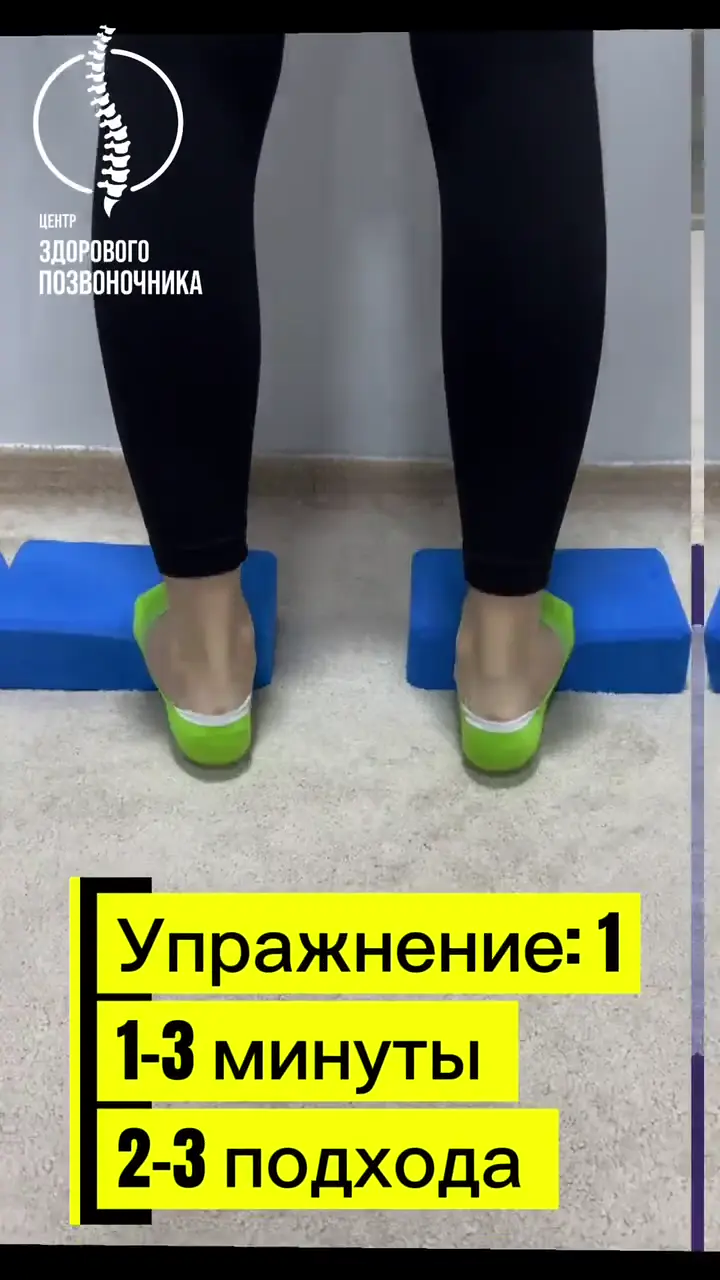
These exercises strengthen the foot muscles, improve circulation and stabilize the arch. Do each for 1–3 minutes, 2–3 sets. Especially useful for children, but suitable for adults too.
Gather a sheet of paper or a towel with your toes. Trains the small foot muscles that hold the arch.
Roll a tennis ball under your foot from heel to toes. Relaxes the plantar fascia and improves blood flow.
Standing on a block or balance cushion, hold your balance and keep the foot from rolling inward.
Hold a ball between the inner edges of your feet and rise onto your toes. Strengthens the muscles that support the arch.
These exercises are for prevention and support. With marked deformity, pain, or valgus in a child, the program should be selected by a specialist after an assessment.
Exercises for children and adults from our sessions
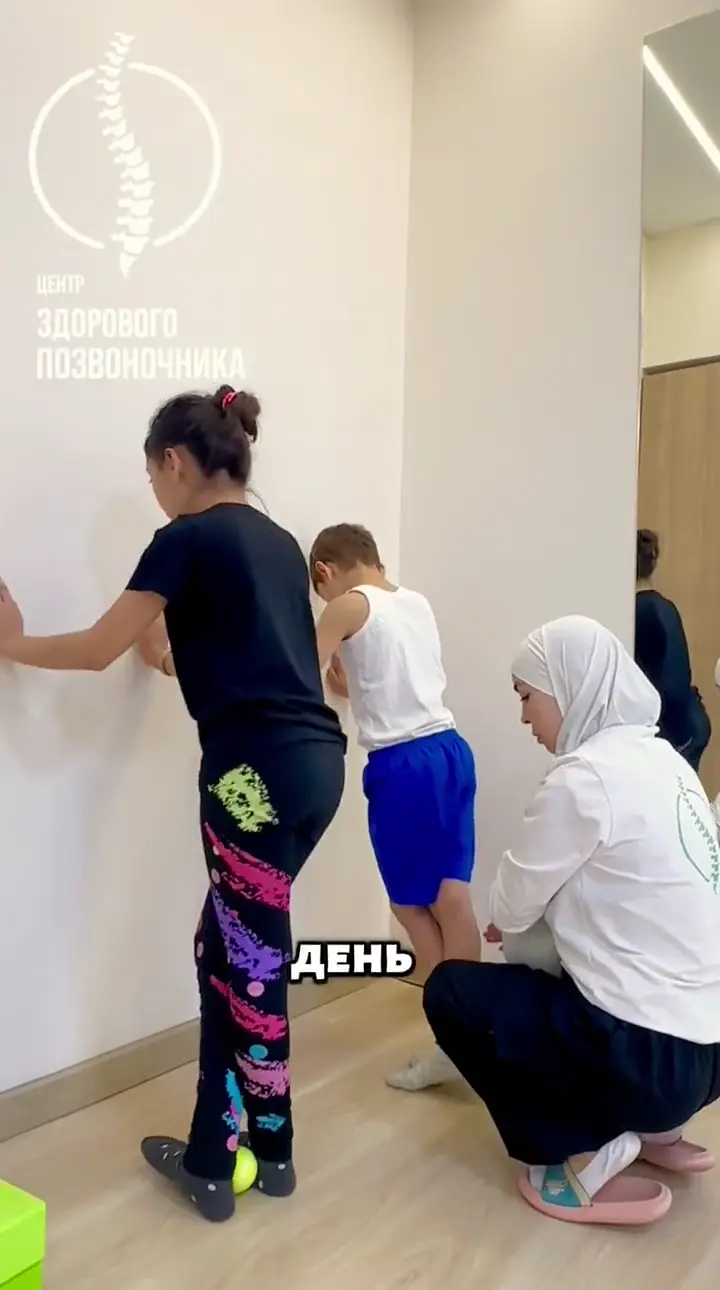
The position of the knees, pelvis and spine depends on the feet. A few minutes of the right exercises every day trigger changes throughout the body.
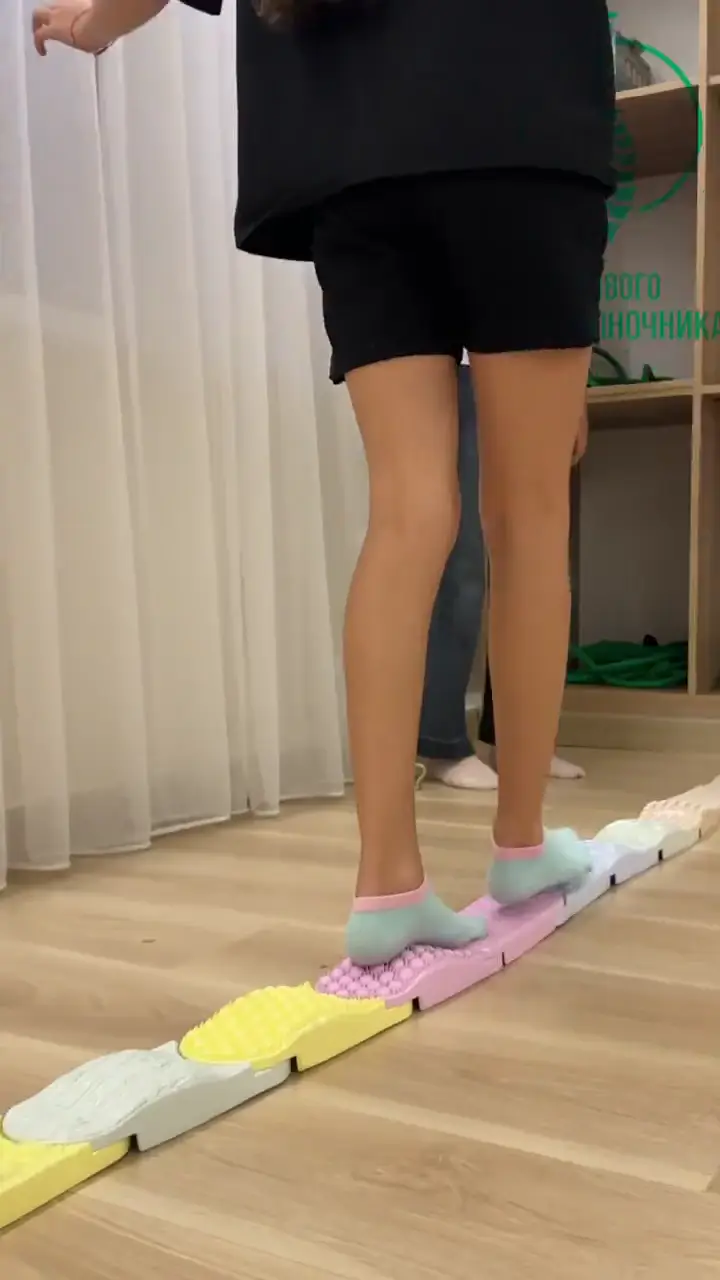
Balance, coordination and foot work as a game: when a child is interested, they progress faster.
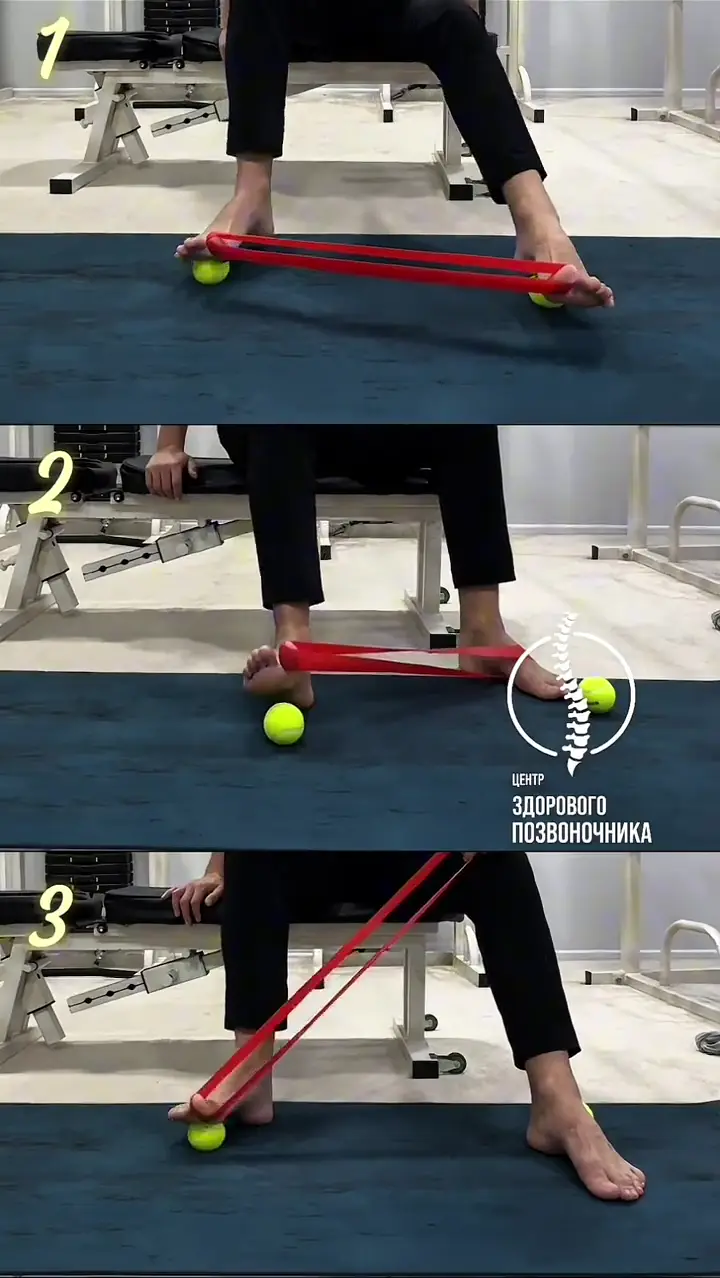
Exercises that activate the arch muscles, improve support and reduce overload of the big toe.
We assess the feet standing and in motion, the position of the knees and pelvis, and gait.
We choose exercises for the degree of flat feet or valgus and for age.
For children — as games; for adults — with the instructor monitoring technique.
We give a short daily routine: the foot only changes with regular load.
Leave a request and we will contact you to confirm your appointment and answer all your questions.
Two centers in Tashkent — choose the one convenient for you