Short routines we use in our sessions: for the neck, posture, shoulders, lower back, hips, knees and feet. Pick an area and repeat at home — regularly, slowly and without pain.
Choose an area
These exercises are for prevention and maintaining health. Follow a few simple rules:
Movements should feel comfortable. Sharp or increasing pain is a signal to stop.
No jerks or sudden movements. Technique matters more than the number of reps.
10 minutes every day beats an hour once a week.
With a herniated disc, osteoarthritis, after injuries or surgery, the program should be chosen by a specialist.
Severe pain after an injury, weakness in an arm or leg, numbness in the groin area, or bladder problems are reasons to see a doctor urgently — not to exercise.
Relieve tension, reduce forward head posture and help with a neck hump and neck-related headaches.
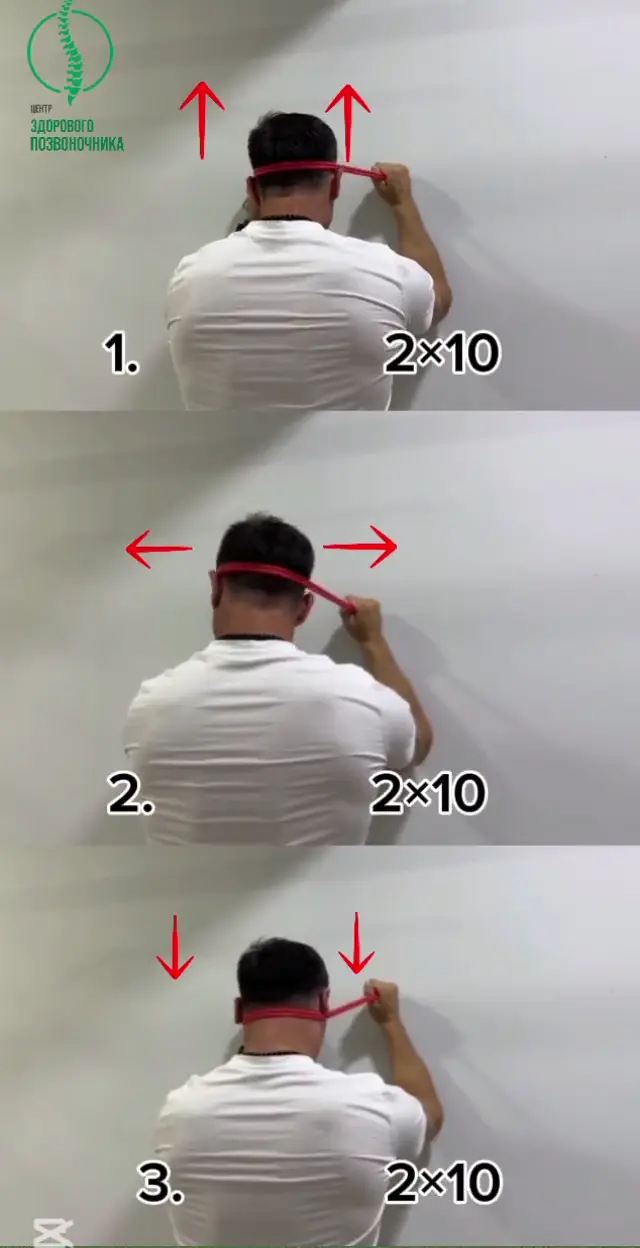
A band and a wall are all you need. For forward head posture, fatigue and headaches.
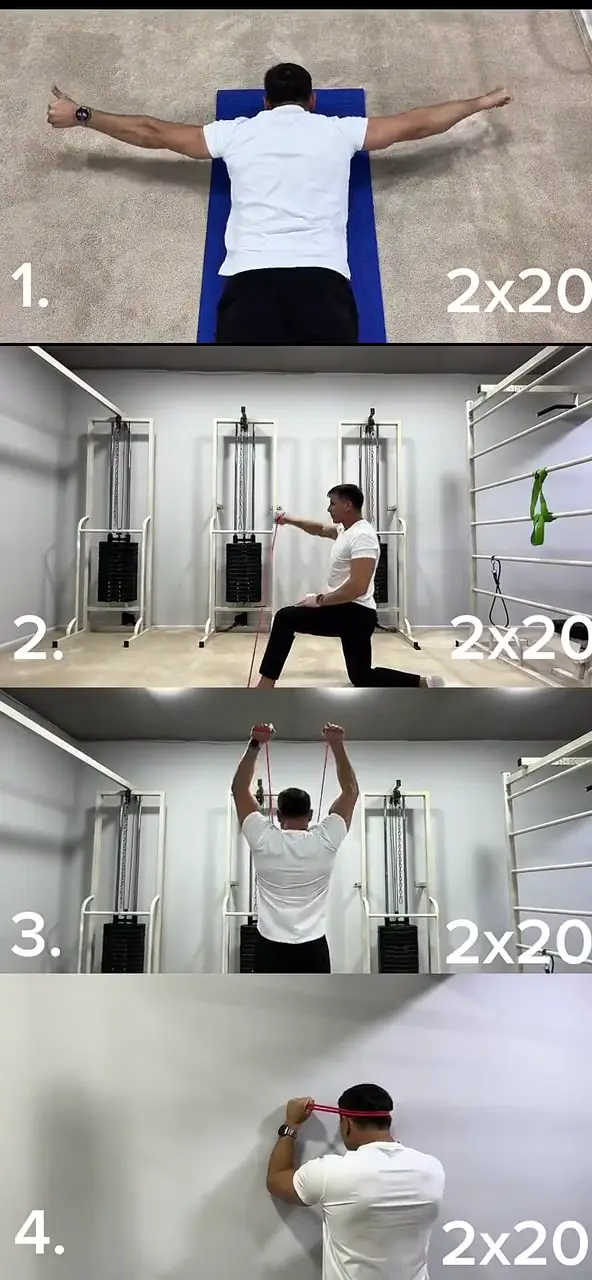
A neck and upper-back routine with a band: 2 sets of 20 reps.
How to relieve trapezius tension yourself after a working day.
Open the chest, activate the back extensors and help against slouching.
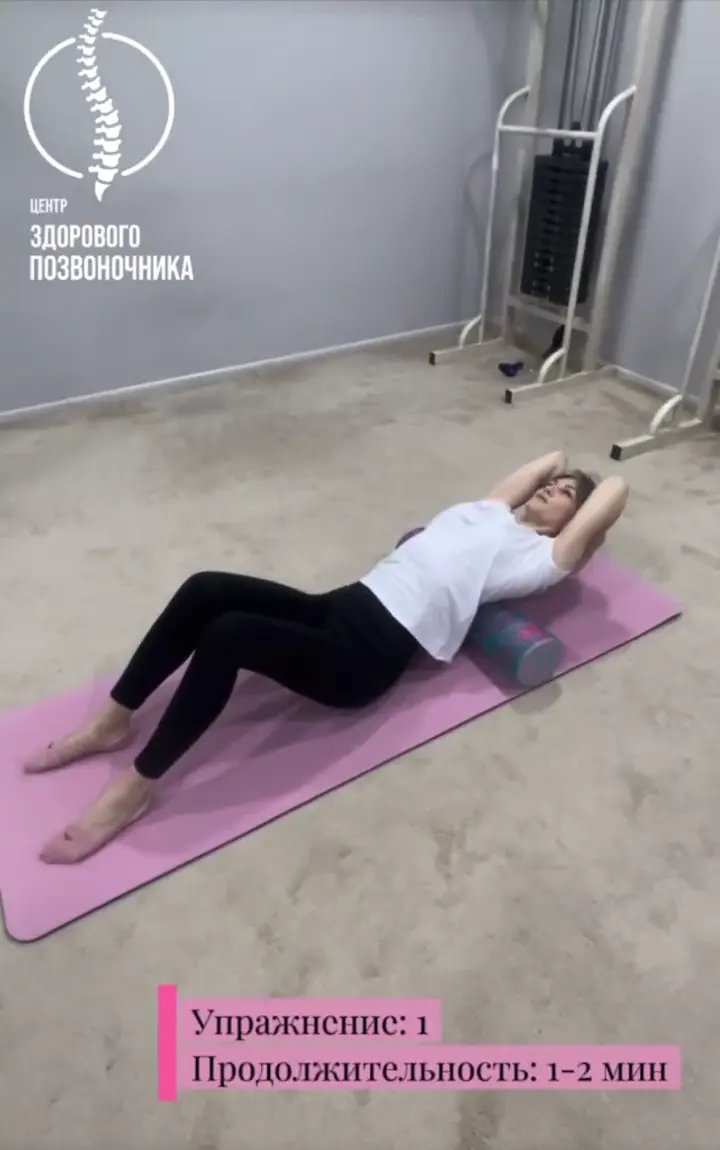
Three exercises that gently open the chest and restore deep breathing.
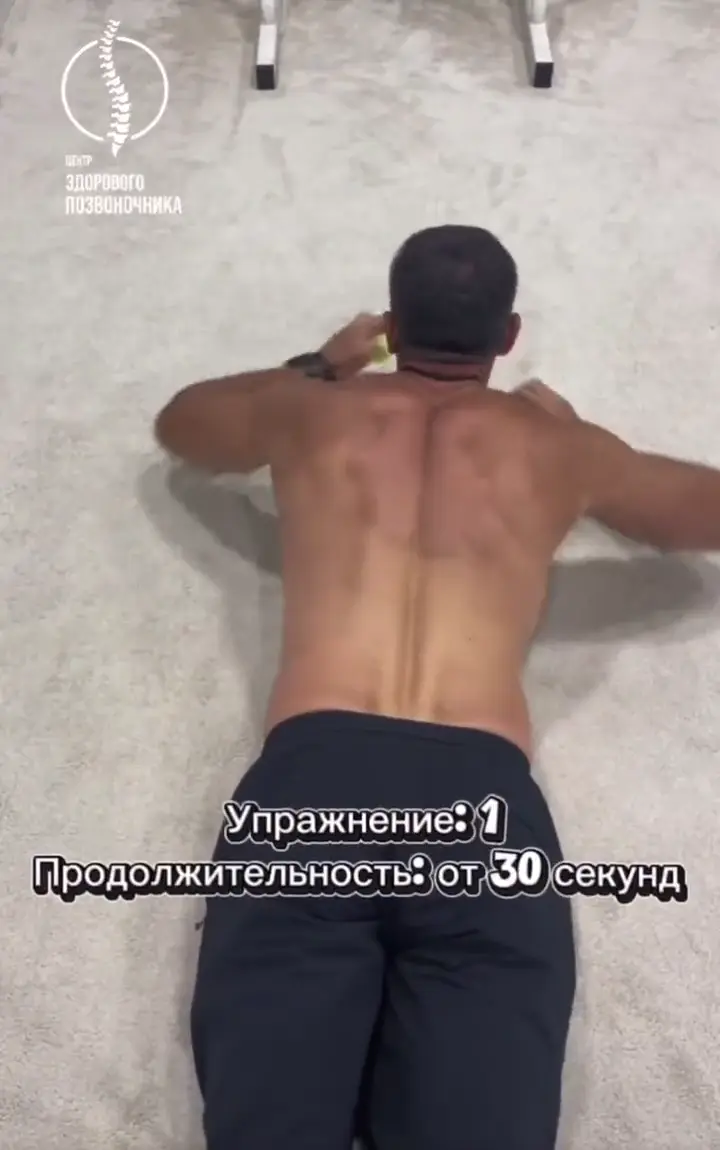
Just 10 minutes a day for a strong muscular corset and good posture.
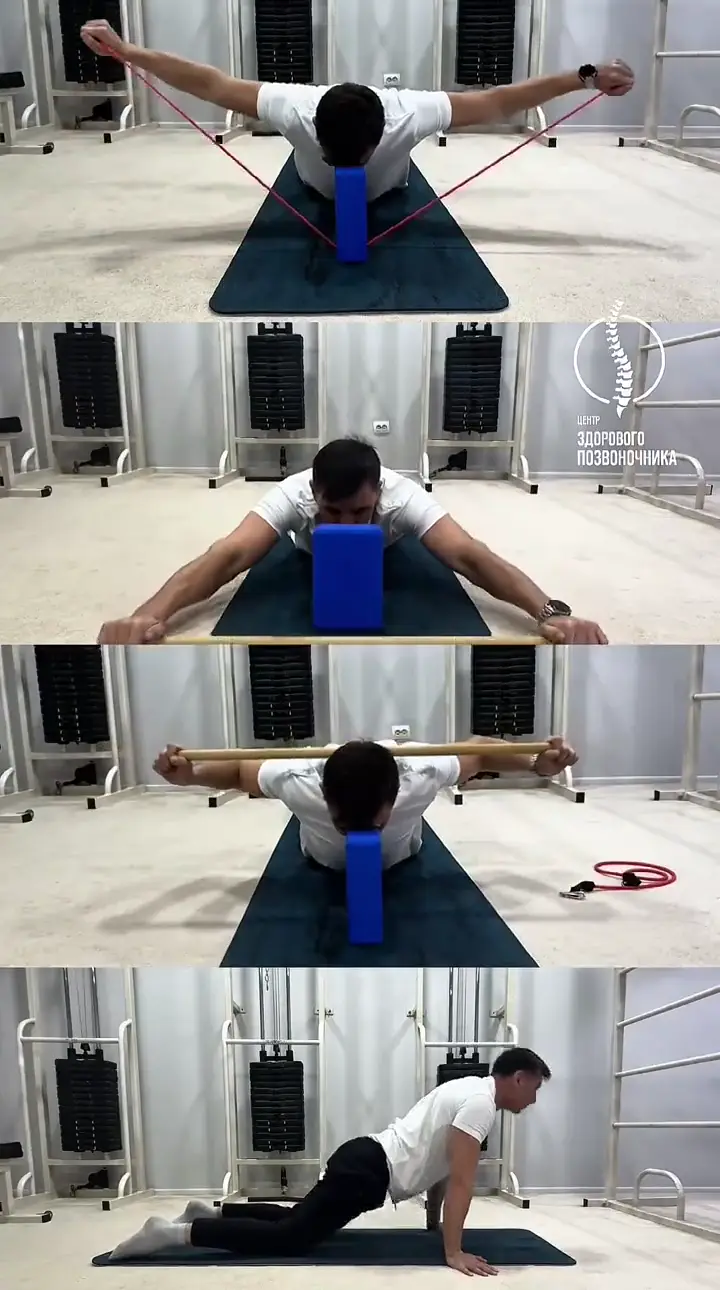
Activate the thoracic extensors and restore rib mobility.
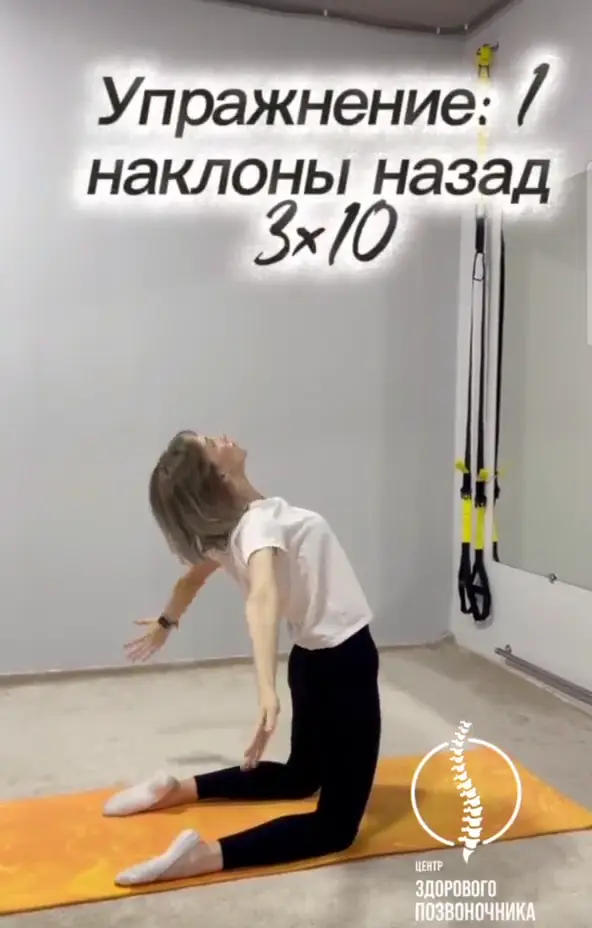
Backbends balance constant forward bending and unload the discs: 3 × 10.
Restore shoulder mobility, normalize shoulder blade movement and reduce pain between the shoulder blades.
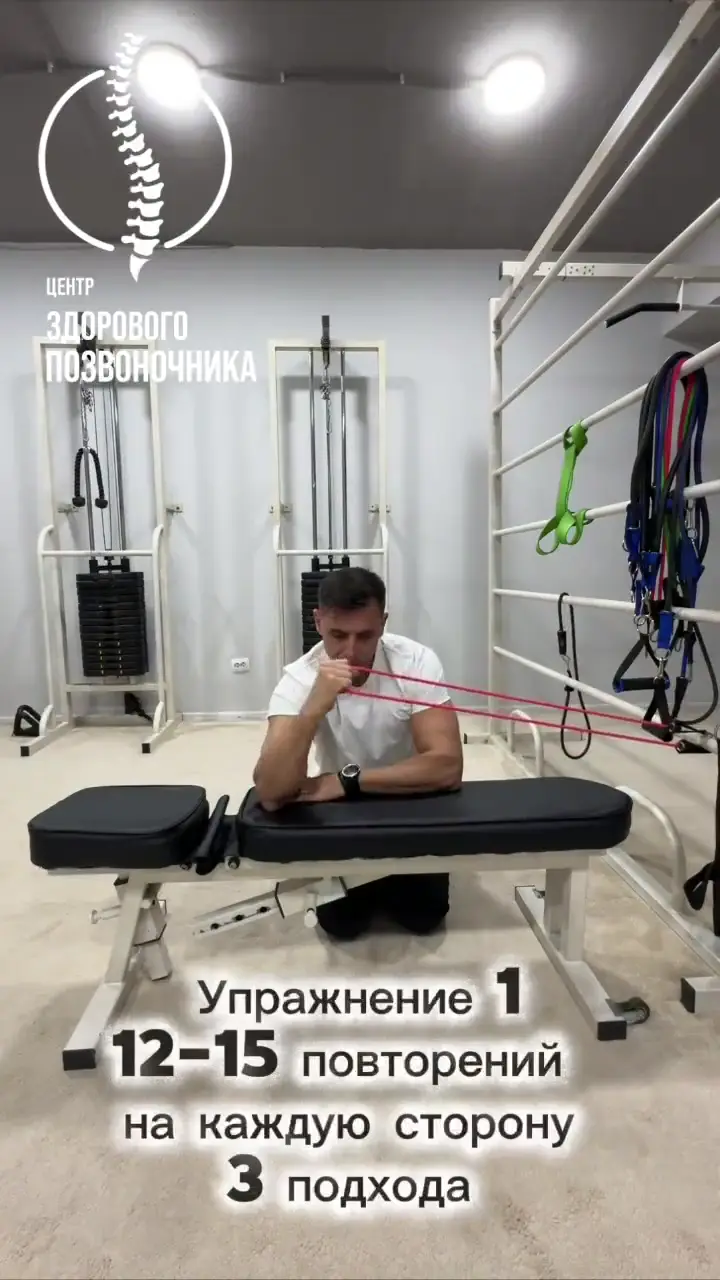
12–15 reps per side, 3 sets. For prevention and stiffness.
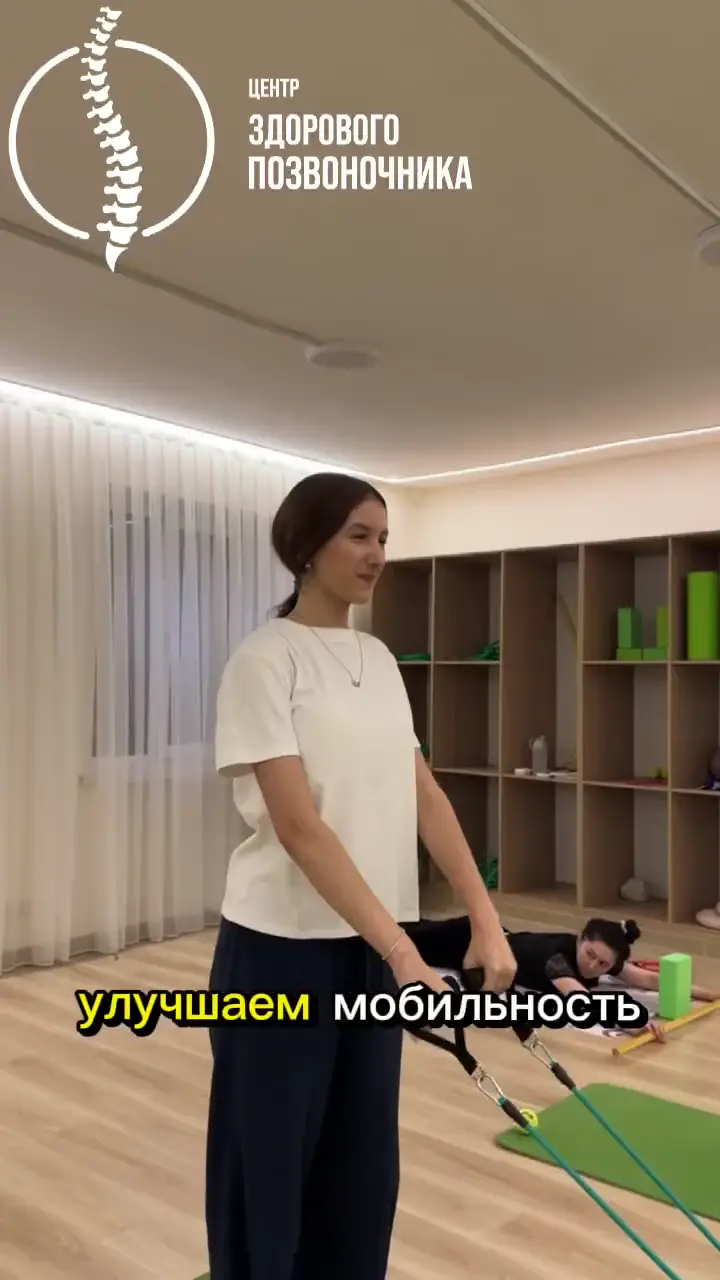
When the shoulder loses mobility, the neck gets overloaded. Exercises for the shoulders and shoulder blades.
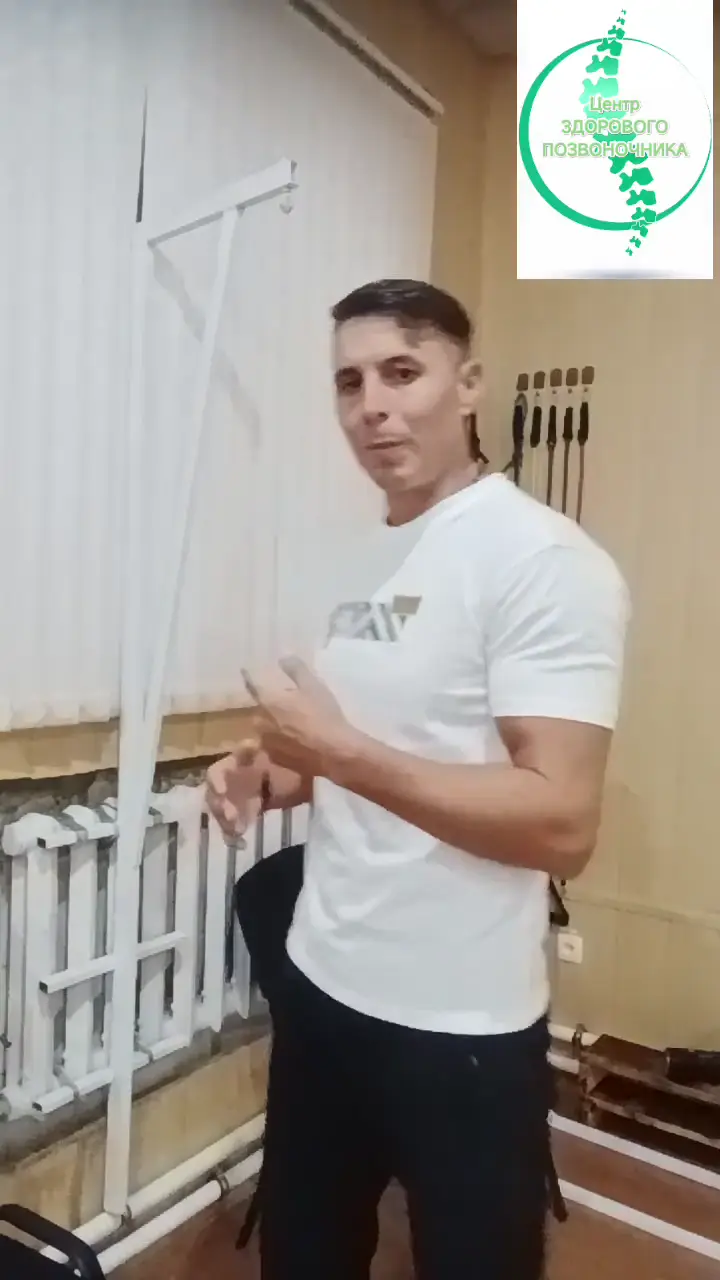
A simple technique to relieve tension around the shoulder blade.
Strengthen the deep lower-back and gluteal muscles, relieve tension and improve disc nutrition.
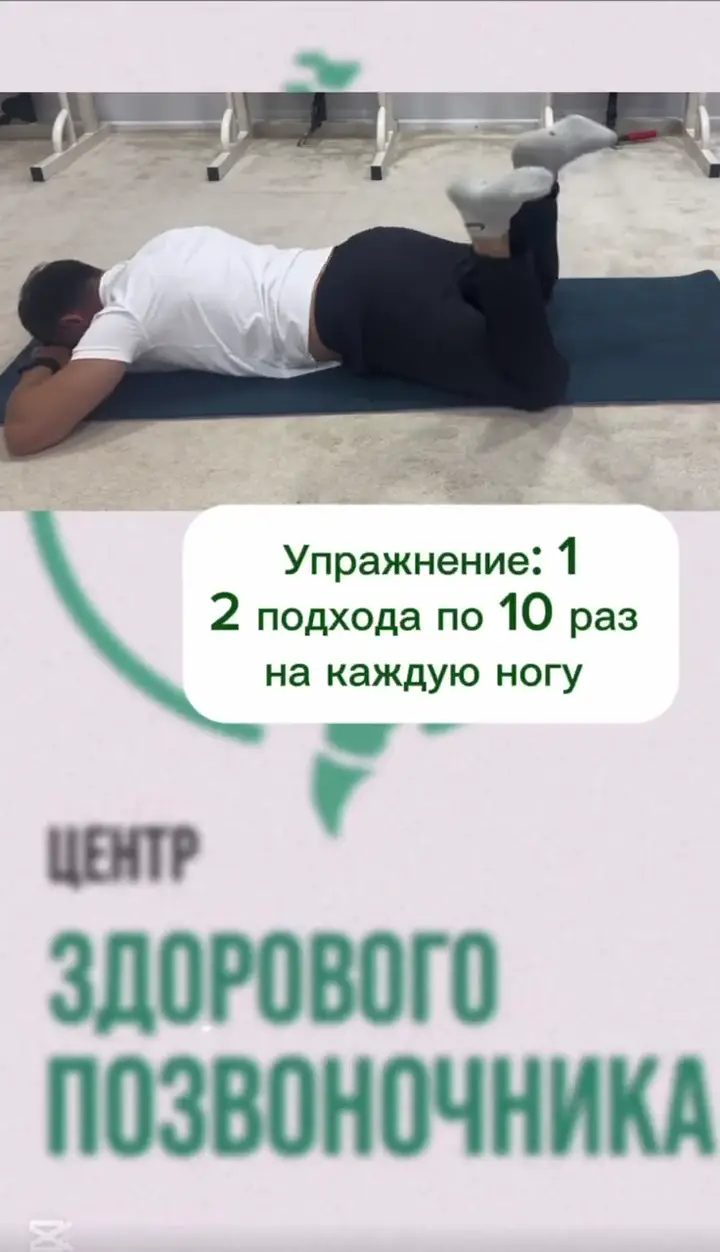
Relieve tension and improve mobility and intervertebral disc nutrition.
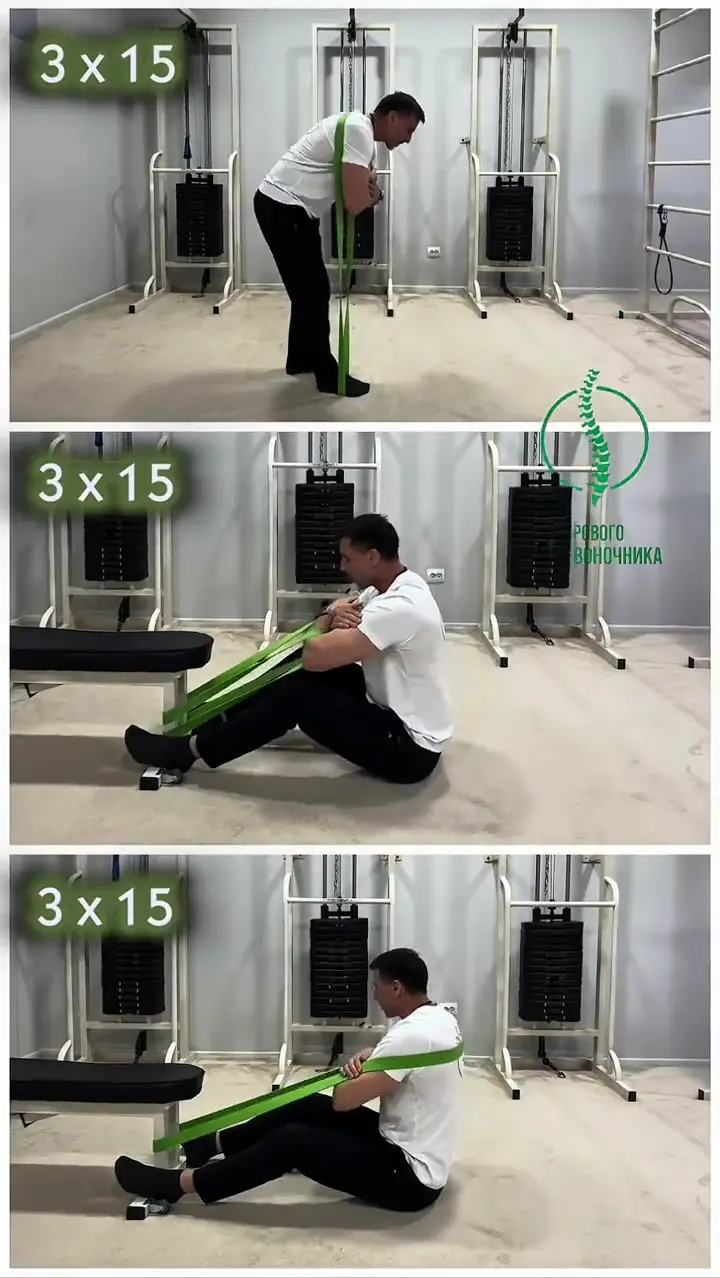
Engage the glutes and deep lower-back muscles: 3 sets of 15 reps.
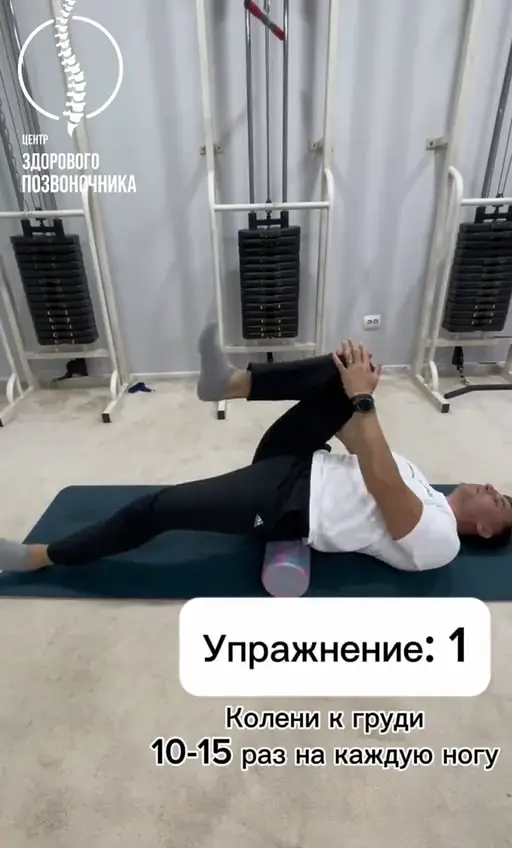
Relieve excess tension, activate weak muscles and restore pelvic mobility.
Restore hip rotation, level the pelvis and unload the lower back.
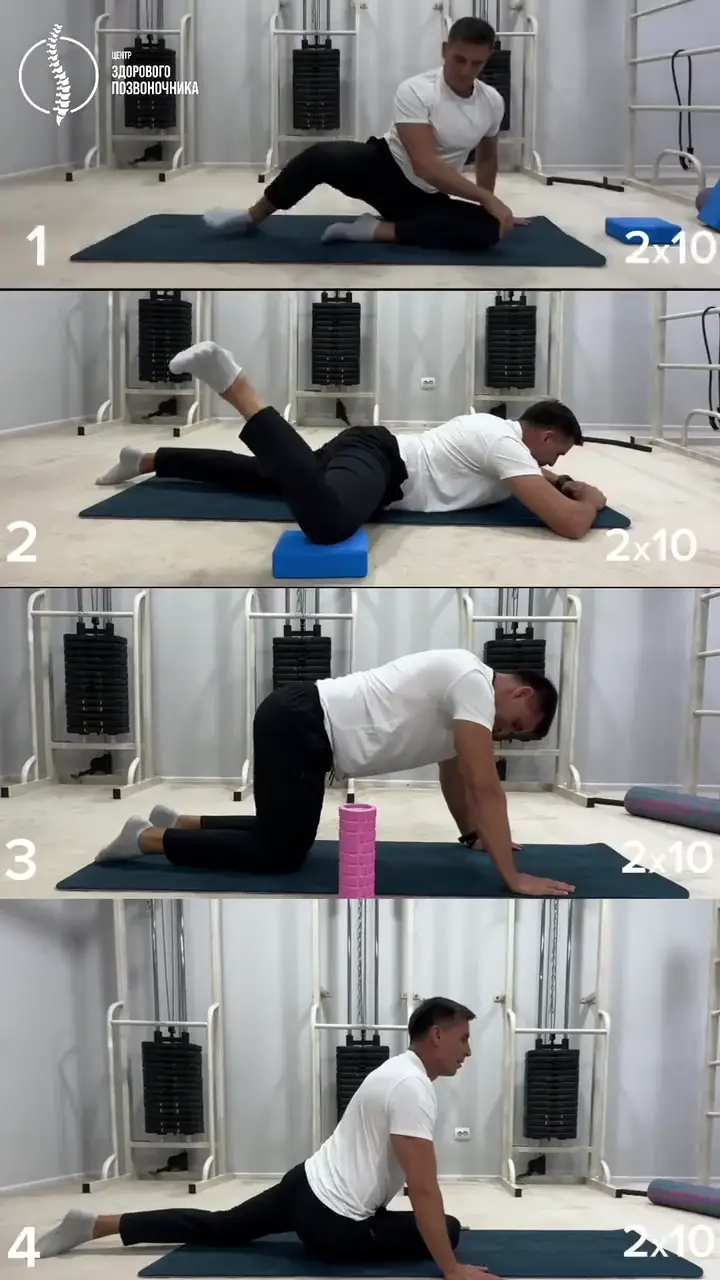
Preventing stiffness: 2 sets of 10 reps.
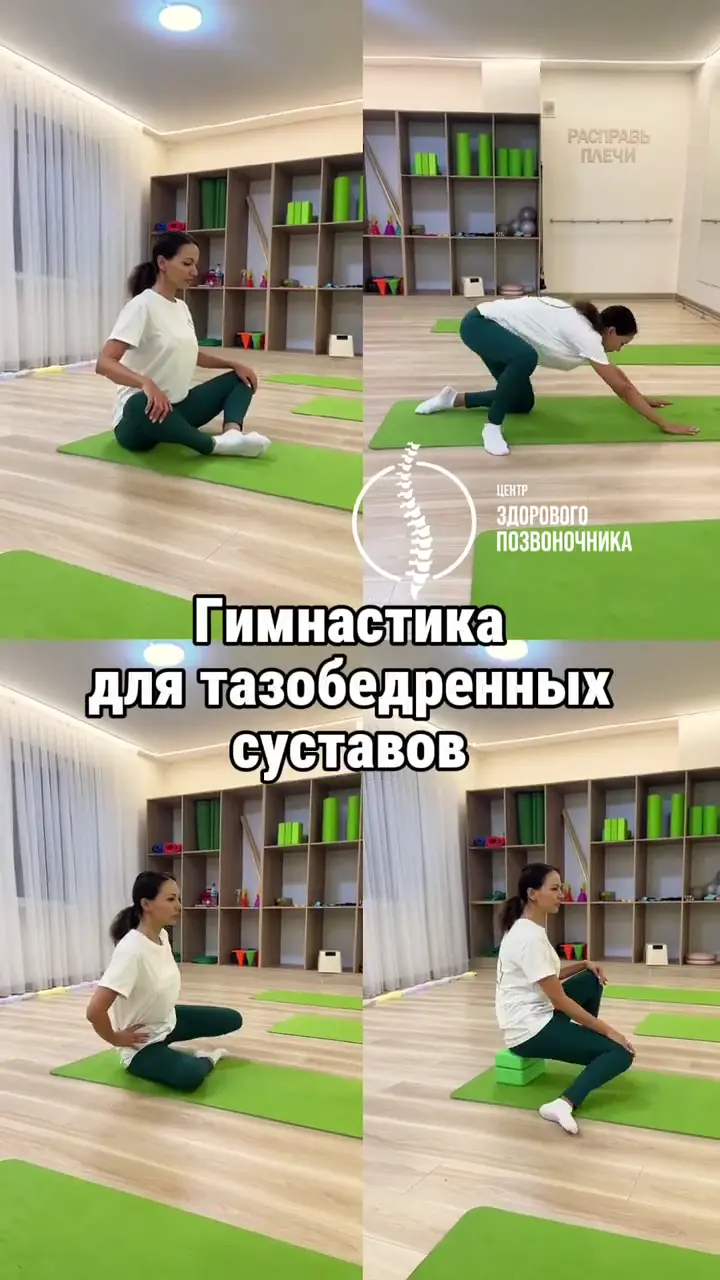
2–3 rounds of 6–8 reps per side, slowly and without jerks.
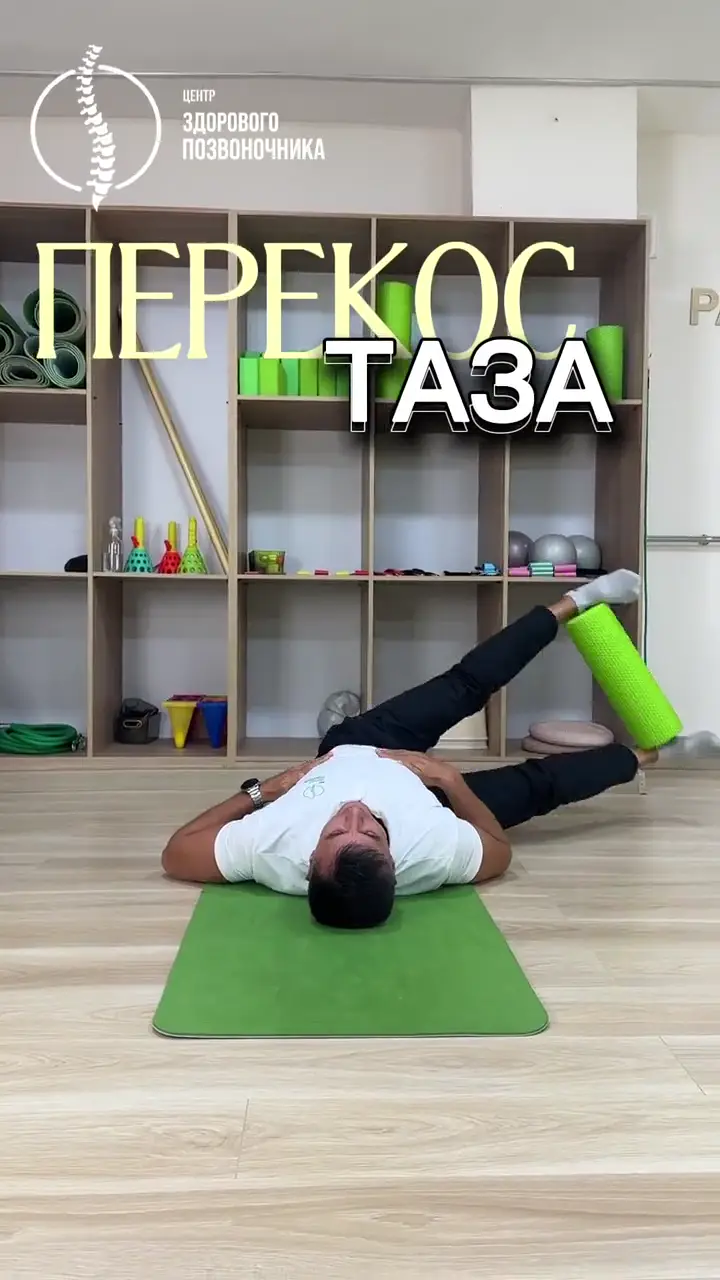
For correcting and preventing pelvic obliquity.
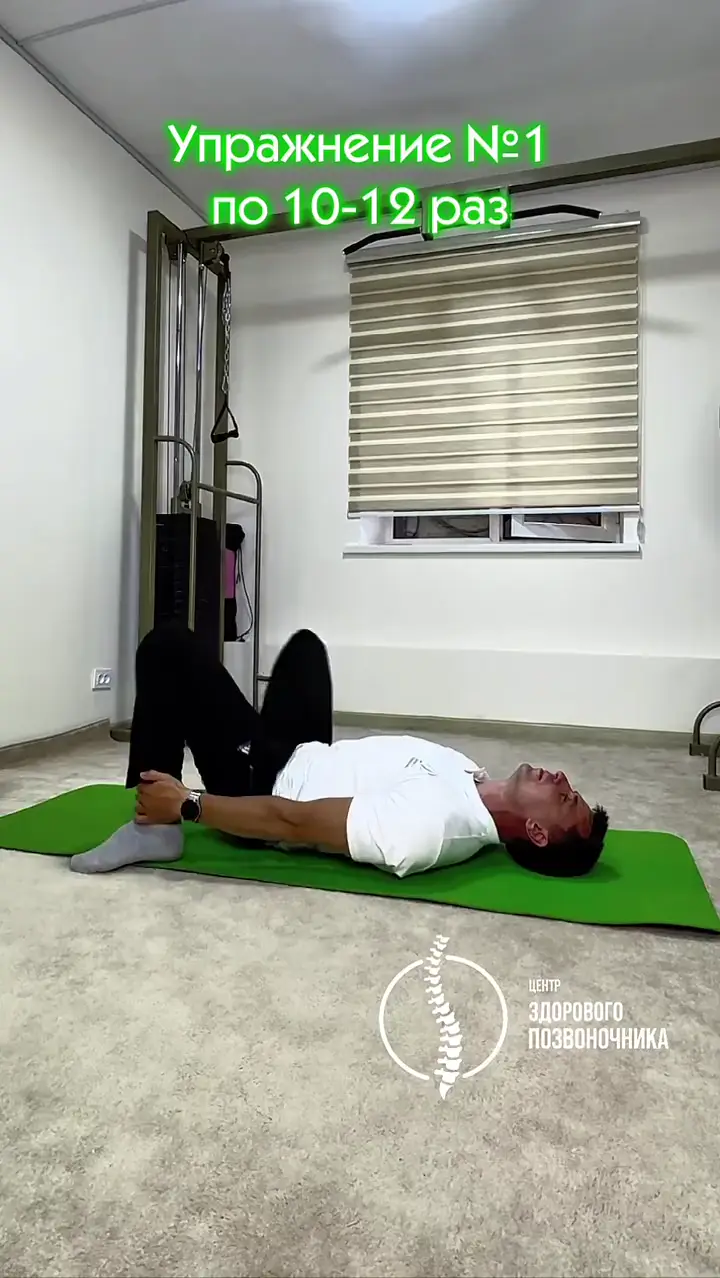
4 movements for trunk stability and hip mobility.
Strengthen the muscles that stabilize the knee and prepare the joint for load.
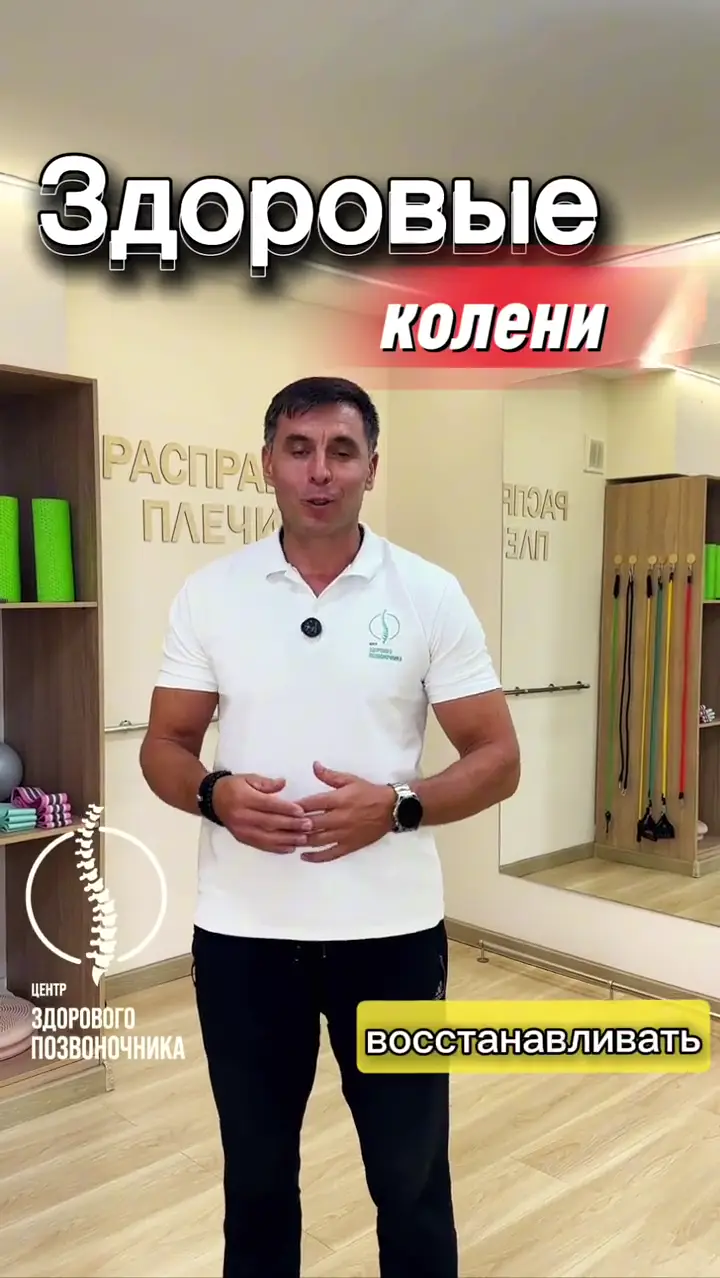
Where to start after a period without load: toe raises, calf raises, step-downs, backward leans.
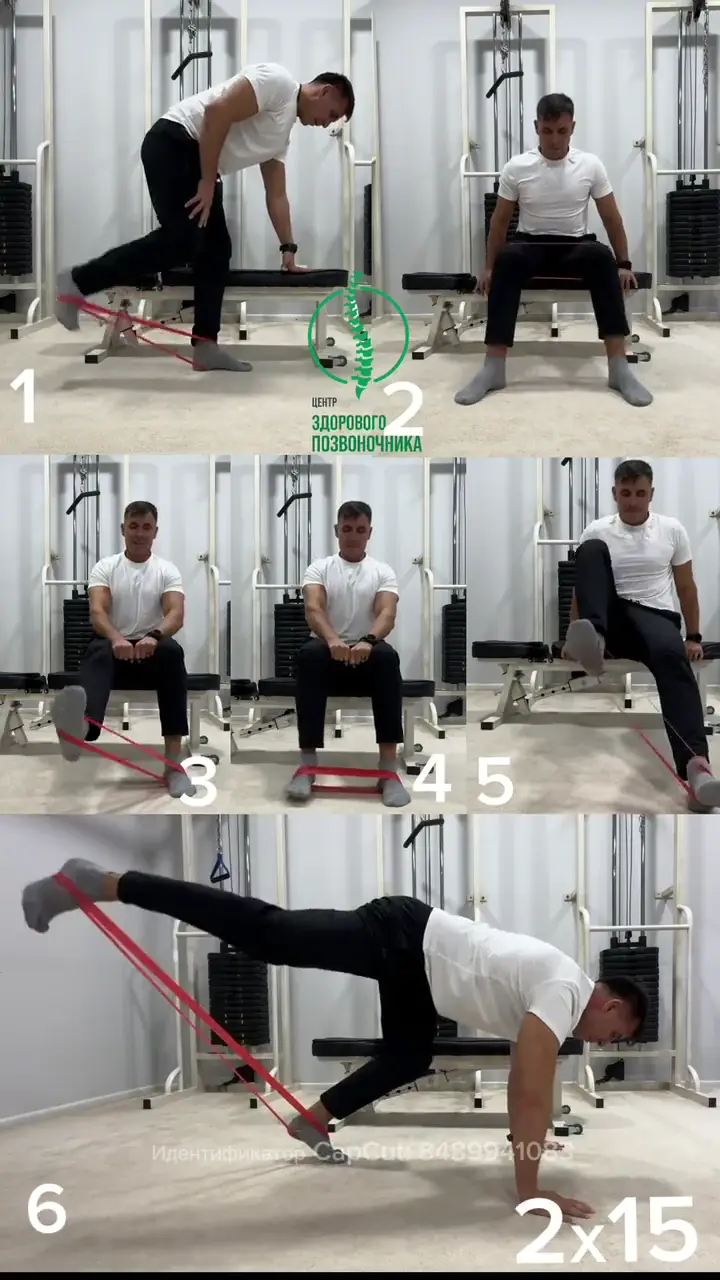
Activate the stabilizing muscles and support the ligaments. Prevention only — with pain you need an individual program.
Strengthen the foot arch — the foundation of posture, knees and spine.
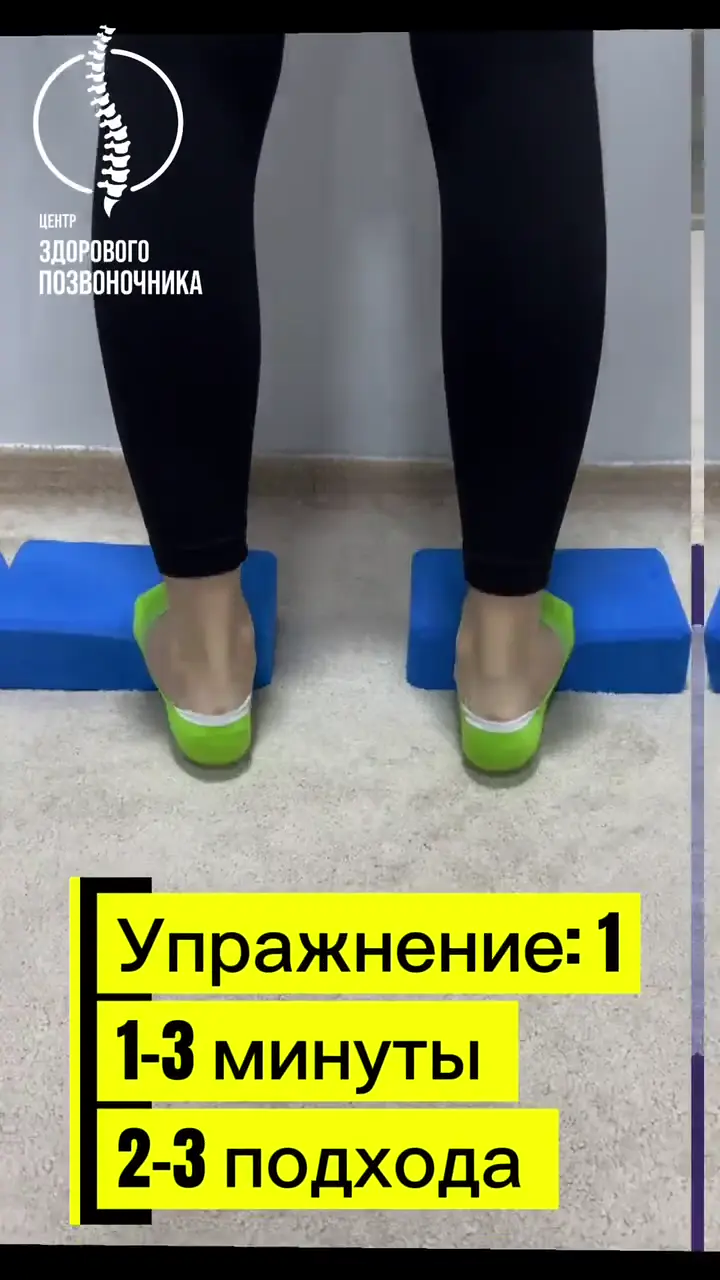
Each exercise 1–3 minutes, 2–3 sets. For children and adults.
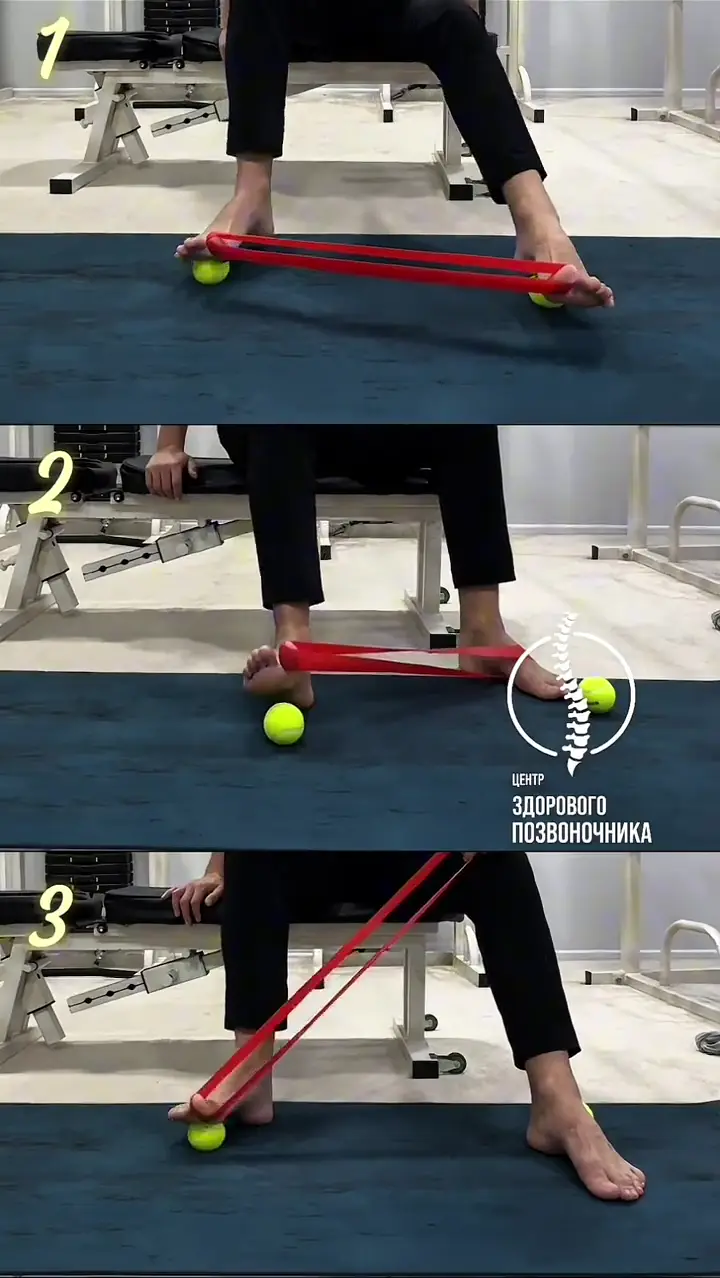
Activate the arch muscles and reduce overload of the big toe.
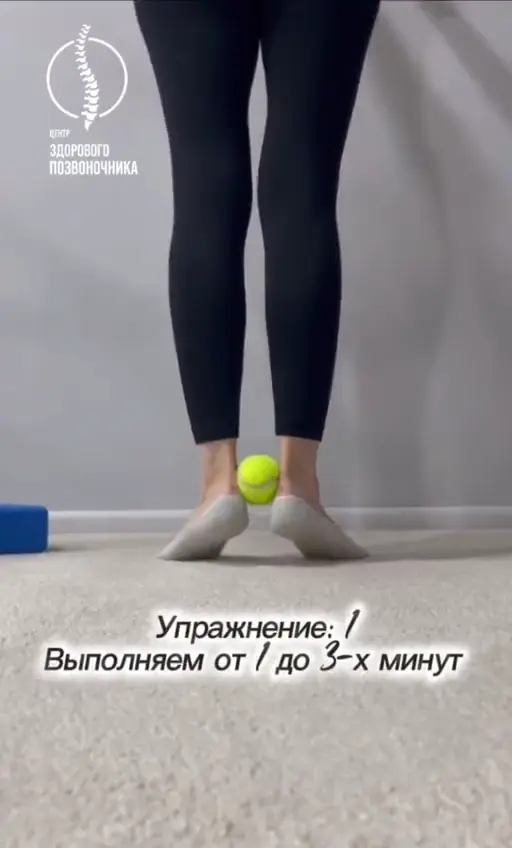
How to prepare your feet for heels so your legs and back don’t hurt.
Short full-body routines to start the day easily and prevent pain from desk work.
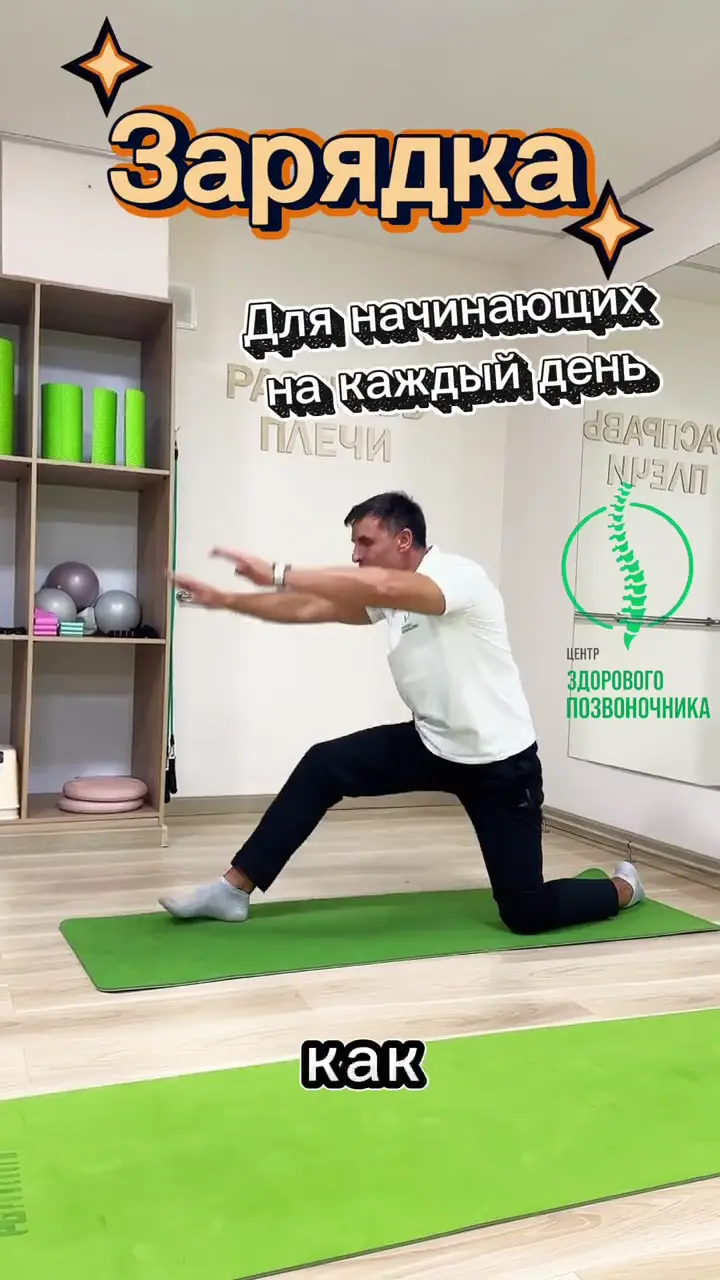
Simple exercises for beginners. Do them at a comfortable pace.
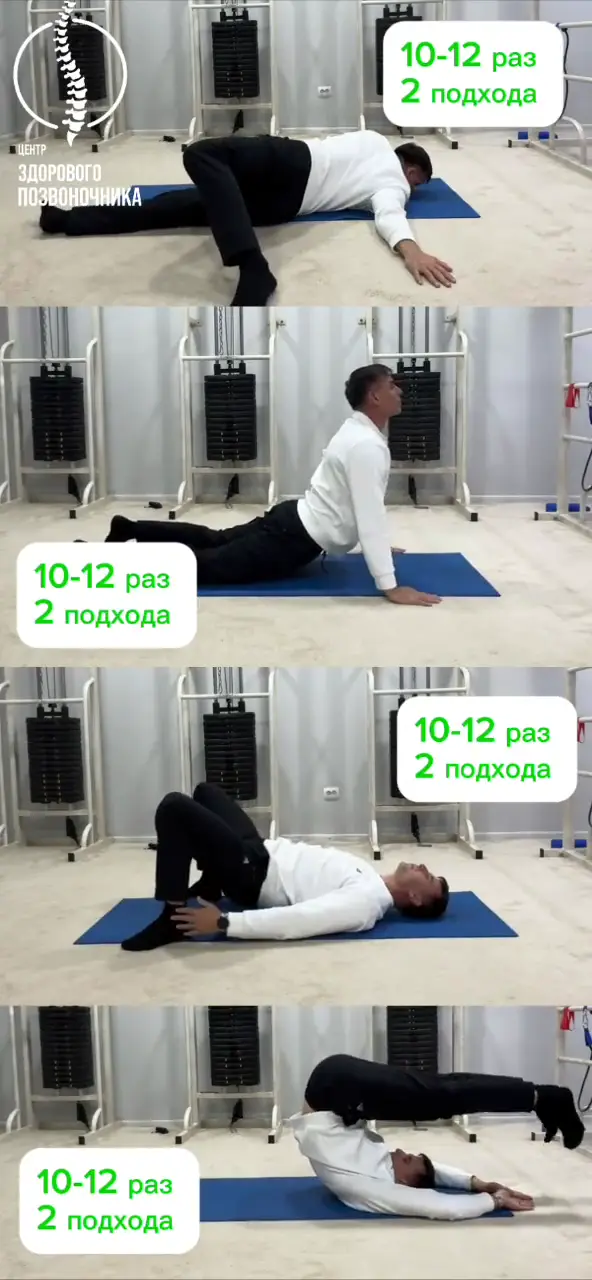
Gently “switch on” the body and stretch the deep layers of the spine: 10–12 reps, 2 sets.
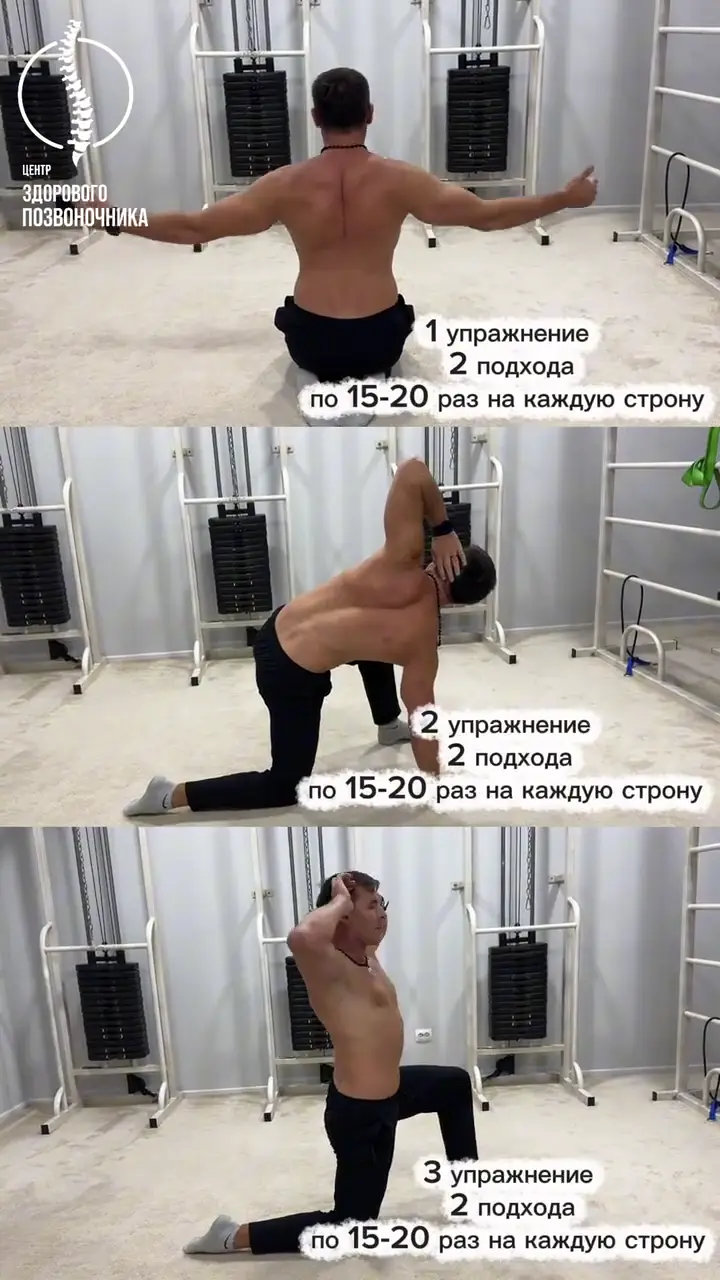
Shoulder blades, trapezius, upper back and glutes: 15–20 reps per side, 2 sets.
Simple tests that suggest whether your spine and joints need attention. This is not a diagnosis.
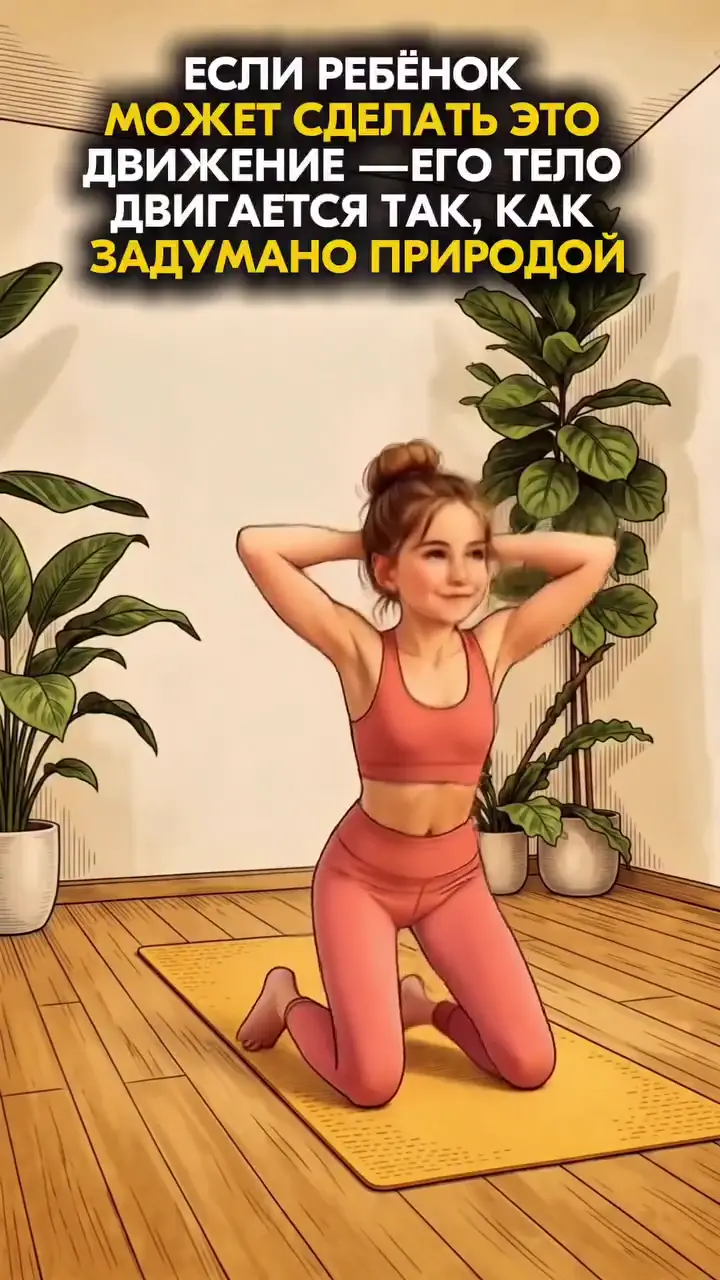
If a movement is difficult, uncomfortable or asymmetrical, it’s a reason to come for an assessment.
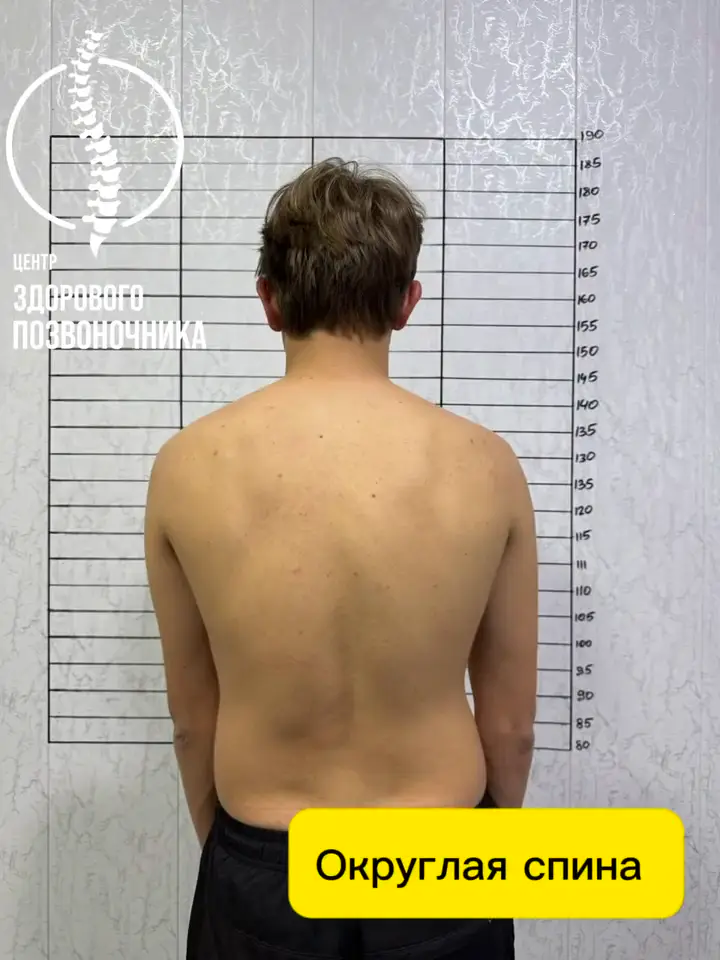
Scoliosis can be noticed early. Even a slight asymmetry is a reason to start prevention.
Leave a request and we will contact you to confirm your appointment and answer all your questions.
Two centers in Tashkent — choose the one convenient for you