A rounded back, dropped shoulders and a forward head are neither “character” nor age. Slouching is the result of switched-off muscles. When they start working again, the back straightens by itself — without a brace or reminders to “sit up straight”.
Book a Consultation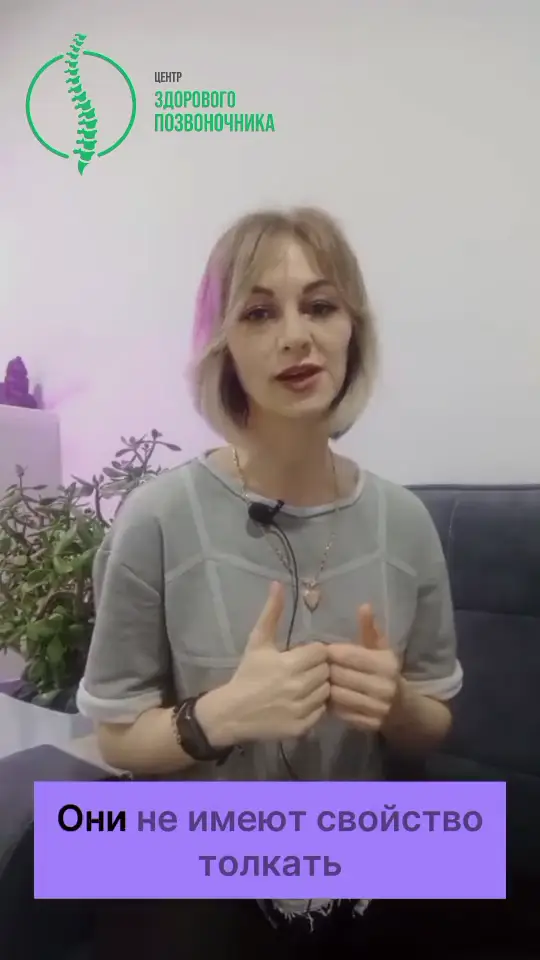
Good posture distributes load evenly across the spine and muscles and makes breathing and organ function easier. When a person slouches, some muscles are constantly overloaded while others weaken — leading to back, neck and lower-back pain.
Desk work, a phone in hand, a bag on one shoulder, too little movement. The thoracic extensors and the muscles between the shoulder blades switch off, while the chest muscles shorten and pull the shoulders forward. Over time a fixed curve forms — thoracic kyphosis.
A brace props up the back temporarily, but the muscles underneath get even weaker. A reminder to straighten up works for a few seconds. Lasting posture forms only when the muscles can hold the spine on their own.
We stretch shortened muscles, strengthen weak ones and teach the body to hold the right position in motion. Posture changes through regular load — without forcing yourself.
Stand sideways to a mirror or ask someone to take a photo of you. Pay attention if:
The upper back is noticeably curved; the back looks like an arc.
Shoulders are dropped and turned inward; the chest is “closed”.
The neck juts forward and the chin is raised.
One shoulder or shoulder blade is higher than the other.
Aching pain and tension when sitting for long.
It’s hard to take a deep breath; fatigue sets in quickly.
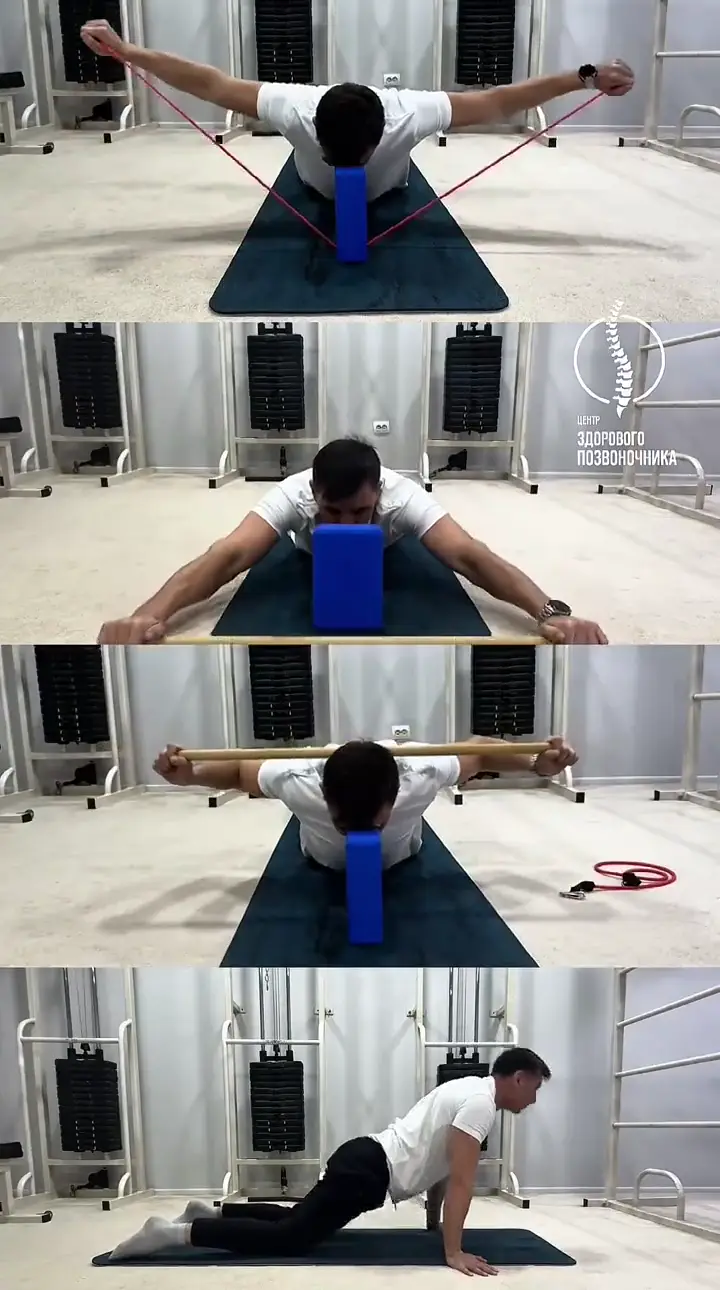
Kyphosis isn’t “bad posture” — it’s the result of switched-off muscles. These exercises activate the thoracic extensors and restore rib mobility. Perform slowly within a comfortable range.
Lying face down with your forehead on a block, spread your arms with the band to the sides. Activates the muscles between the shoulder blades.
In the same position, stretch the band and lower it behind your head, squeezing the shoulder blades. Strengthens the thoracic extensors.
Lying face down on your forearms, gently lift your chest without throwing your head back.
Sit back on your heels and reach your arms forward. Relaxes the back after the load.
Be consistent: the body rebuilds itself when you give it work. If you have back pain, start after an assessment.
Habits that create slouching and exercises that correct it
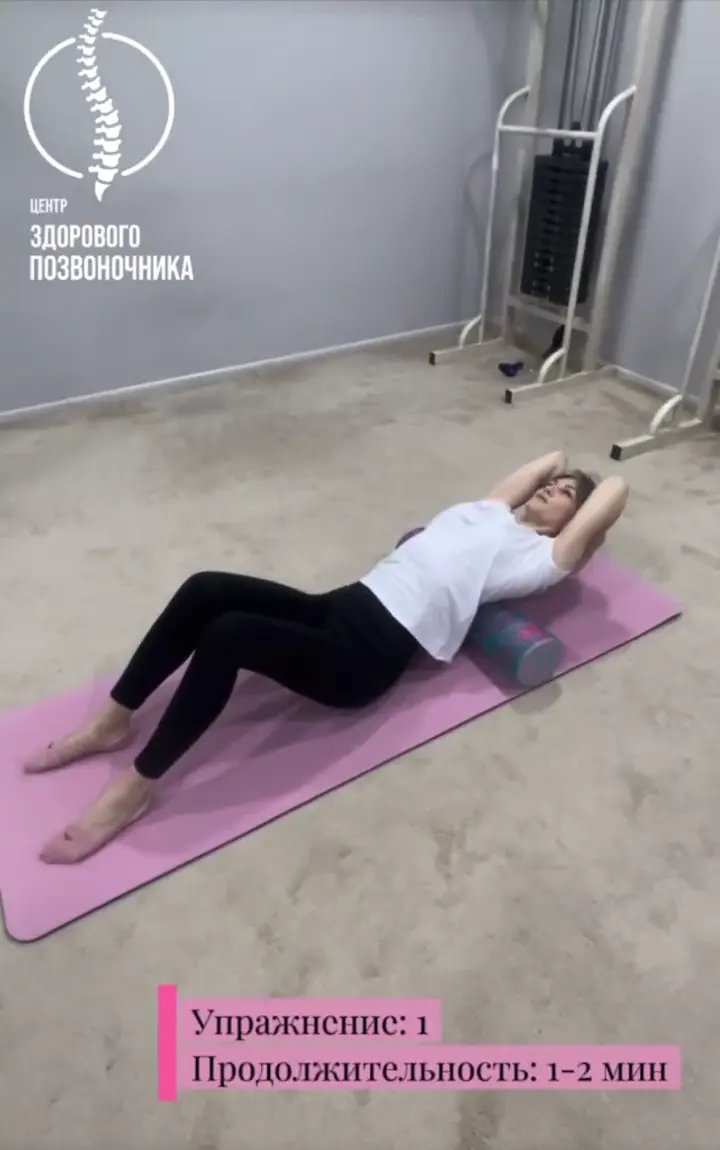
Three exercises that gently open the upper back and restore deep breathing.
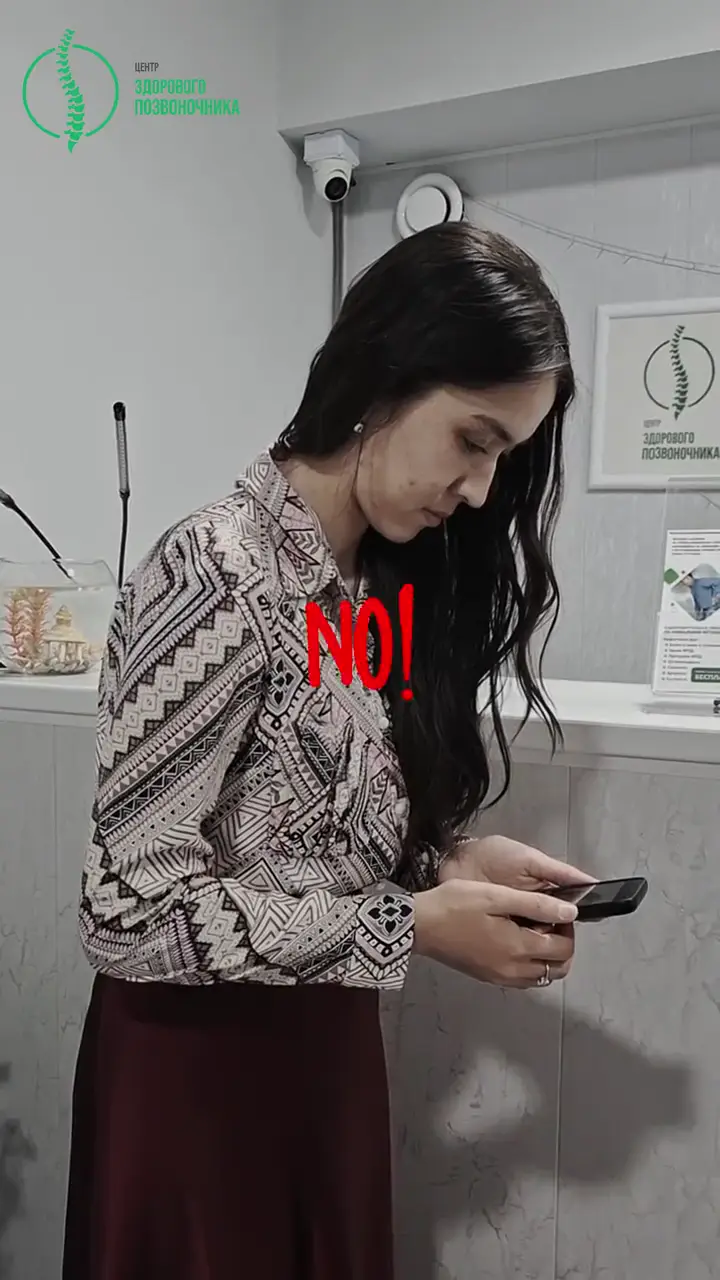
Tilting your head toward the screen multiplies the load on your neck. Raise the phone to eye level.
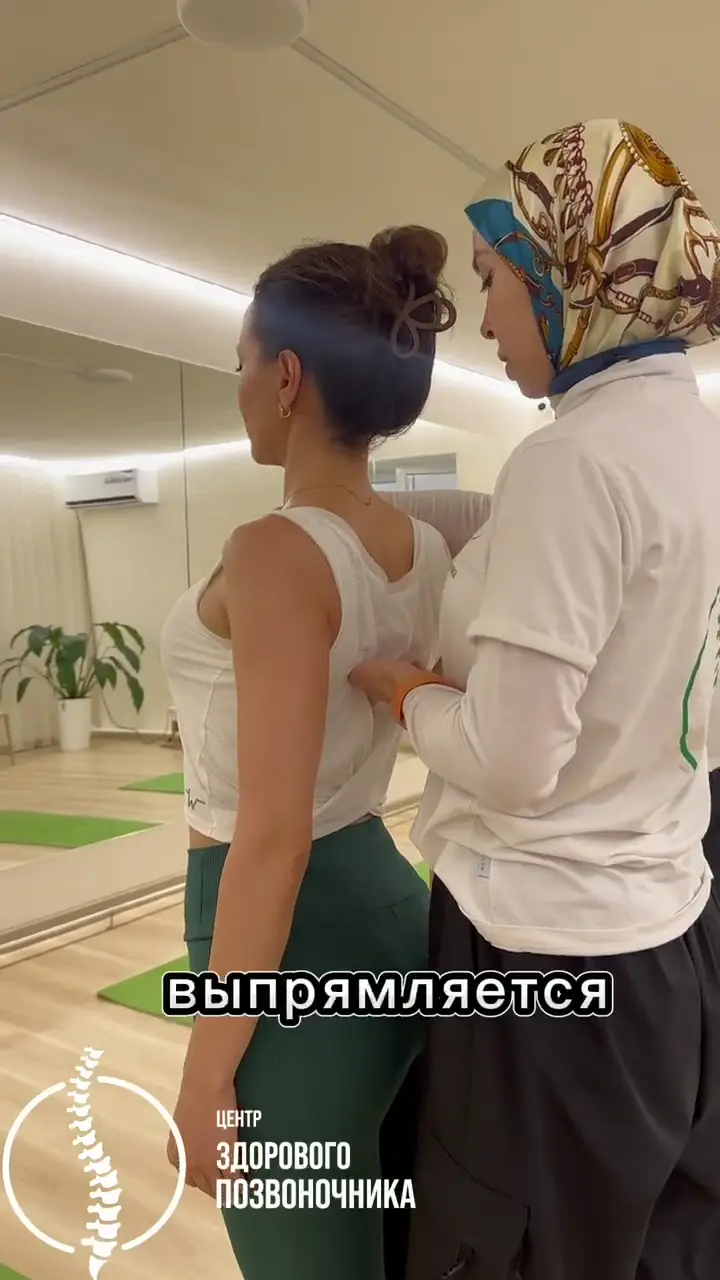
The neck looks longer, the face fresher, movements lighter. Posture work is about both how you feel and how you look.
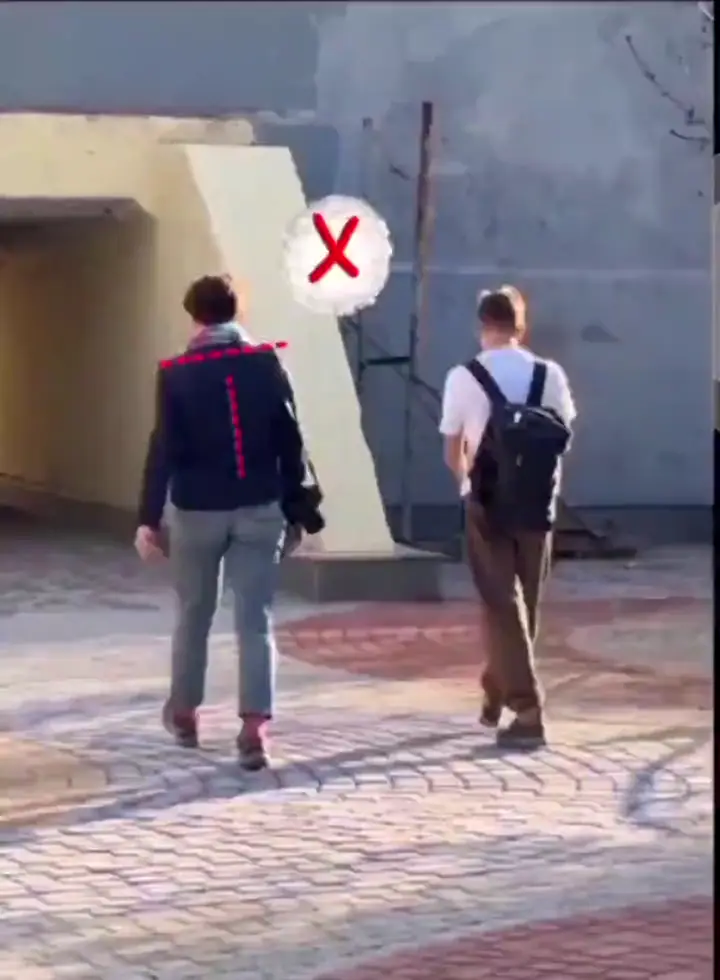
A habit that creates asymmetry: one shoulder rises, the other drops, and muscle balance is disrupted.
We assess posture, head, shoulder and pelvis position, and upper-back mobility.
We select exercises that stretch shortened muscles and strengthen weak ones.
Group or individual sessions under an instructor’s supervision.
We give home exercises and workplace tips so the result lasts.
Leave a request and we will contact you to confirm your appointment and answer all your questions.
Two centers in Tashkent — choose the one convenient for you